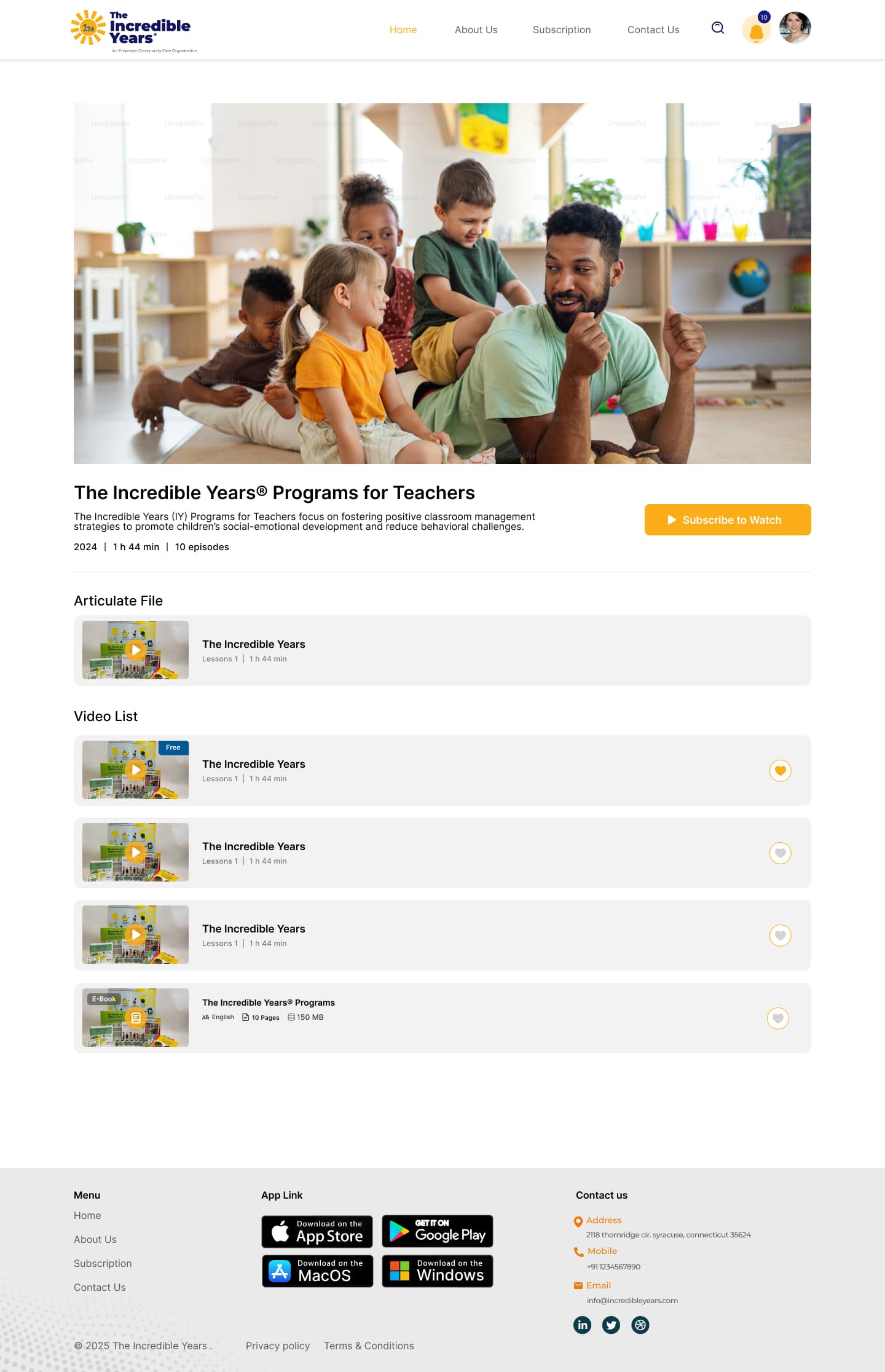

Kawawa Market
An online marketplace for local goods, letting businesses showcase and sell with ease.

The stack behind the build.
 Node.js
 MongoDB
 Google Maps
 Firebase
 JavaScript
A closer look.
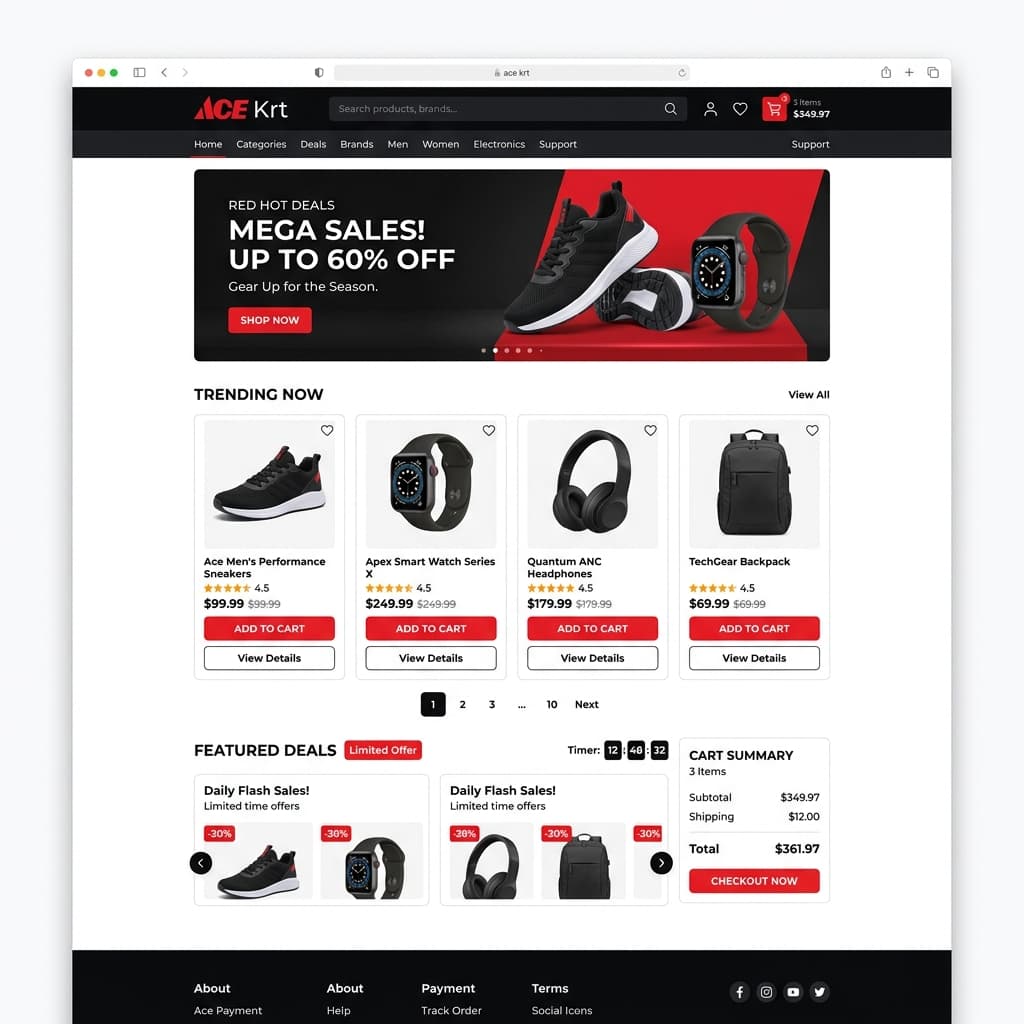
Why we built Kawawa Market.
 01
01Why We Built It
The client wanted to give small local sellers a fair, modern channel to reach buyers in their own neighbourhood instead of competing only on crowded social feeds.
 02
02The Perspective
We treated vendors and shoppers as equal users, designing flows that felt approachable on a phone while still giving operators real control over a growing marketplace.
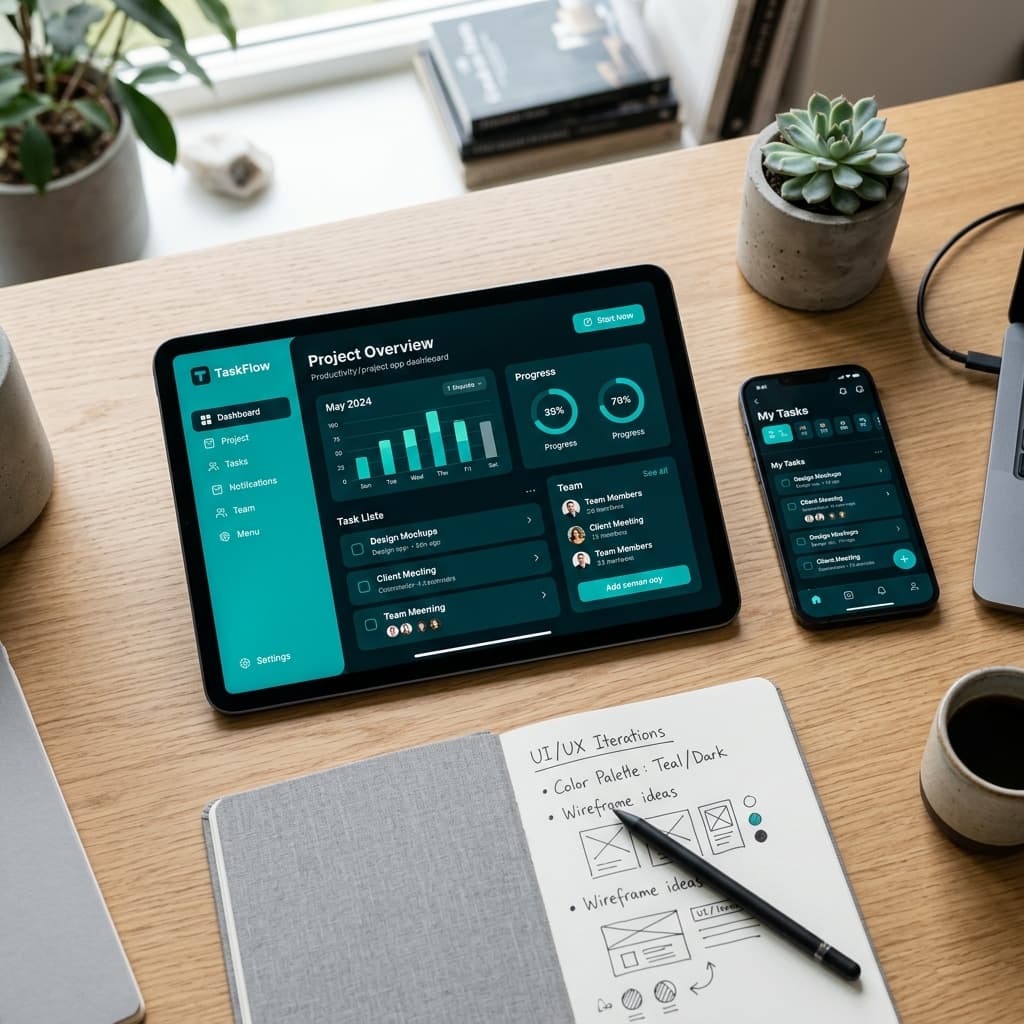 03
03What Was Gained
A single connected platform now lets hundreds of vendors list goods, take orders, and serve nearby customers through one trusted brand across web and mobile.
 04
04Built To Last
The client fully owns a documented, maintainable platform — new content and features ship in minutes, and every surface scales without a costly rebuild.
The project at a glance.
A shared storefront for independent sellers. Listings, map-based discovery and orders run on one backend, so a local shop reaches nearby buyers without ever standing up a site of its own.


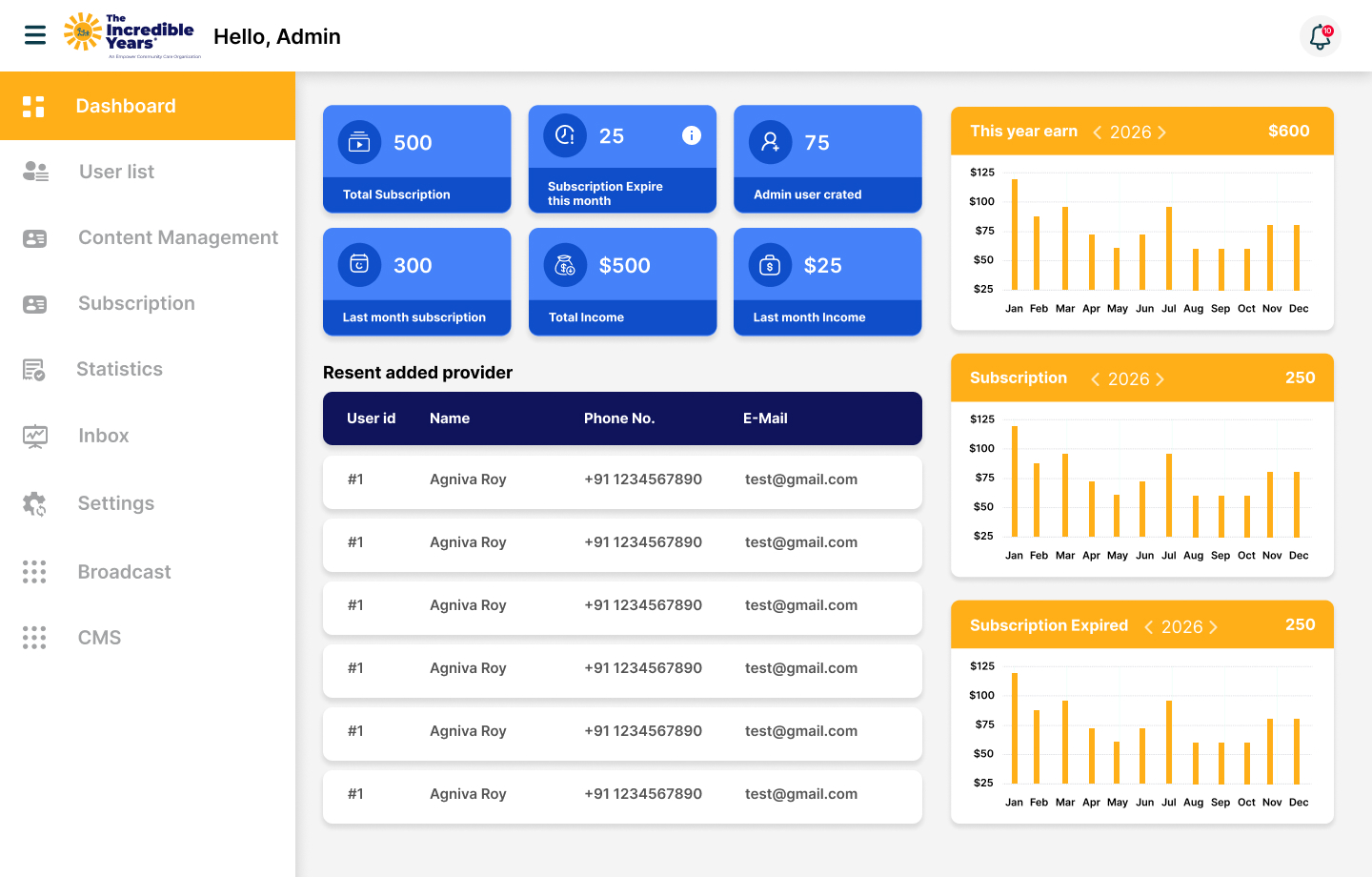
We delivered a full-stack marketplace across an admin panel, a website, and a native mobile app sharing a single Node.js and MongoDB backend. Vendors gained self-serve storefronts with location-aware listings powered by Google Maps, while buyers got a unified catalogue, checkout, and order tracking. Firebase handled real-time notifications and sign-in, keeping every surface in sync.

Independent shops and makers in the region had no shared platform to reach nearby buyers, so each seller relied on scattered social posts and word of mouth. Shoppers struggled to discover trusted local goods, compare options, or know what was available close by. The brand needed one connected system where many vendors could list, sell, and fulfil orders without juggling separate tools.
Independent shops and makers in the region had no shared platform to reach nearby buyers, so each seller relied on scattered social posts and word of mouth. Shoppers struggled to discover trusted local goods, compare options, or know what was available close by. The brand needed one connected system where many vendors could list, sell, and fulfil orders without juggling separate tools.
We delivered a full-stack marketplace across an admin panel, a website, and a native mobile app sharing a single Node.js and MongoDB backend. Vendors gained self-serve storefronts with location-aware listings powered by Google Maps, while buyers got a unified catalogue, checkout, and order tracking. Firebase handled real-time notifications and sign-in, keeping every surface in sync.
What we set out to achieve.

Unify Many Vendors
Bring independent sellers onto one marketplace with self-serve storefronts and shared, consistent product presentation.

Make Local Discoverable
Use location and maps so shoppers can find and prefer goods sold close to where they live.

Simplify Selling
Give vendors a clear way to manage listings, stock, and orders without needing technical skills.

Keep Surfaces In Sync
Run admin, web, and app on one backend so prices, orders, and inventory stay accurate everywhere in real time.

Scale Without Rebuilds
Grow on one secure, shared backend — add features, new surfaces, and more users over time without re-architecting or starting from scratch.
Unify Many Vendors
Bring independent sellers onto one marketplace with self-serve storefronts and shared, consistent product presentation.
Make Local Discoverable
Use location and maps so shoppers can find and prefer goods sold close to where they live.
Simplify Selling
Give vendors a clear way to manage listings, stock, and orders without needing technical skills.
Keep Surfaces In Sync
Run admin, web, and app on one backend so prices, orders, and inventory stay accurate everywhere in real time.
Scale Without Rebuilds
Grow on one secure, shared backend — add features, new surfaces, and more users over time without re-architecting or starting from scratch.
From idea to launch.
Scroll — each step stacks as you go.
Discovery & Planning
We start by mapping the catalog, the people who use it, and the way the business actually earns — then turn that into one blueprint the whole team builds against. Nothing is estimated until the scope is written down and agreed.
- Stakeholder workshops & user interviews
- Feature map, scope and success metrics
- Technical architecture and delivery plan

UI/UX Design
Every surface is designed and prototyped before a line of production code is written, so the flows are argued over on screens, not in a sprint review. What you sign off is what gets built.
- Wireframes for each screen and state
- Clickable prototype for the core journeys
- Design system: type, colour, components

Backend + API
One shared backend serves every surface, so the admin panel, the website and the app never drift out of sync. The API is versioned from day one, which is what lets new surfaces be added later without a rewrite.
- Unified data model & versioned REST API
- Auth, roles, payments and media pipeline
- Automated tests on every endpoint

Web + Mobile Build
The website and the native iOS and Android apps are built in working increments against that backend. You see a real, usable build at the end of every sprint rather than a status report.
- Responsive website, pixel-matched to design
- Native-feel iOS & Android from one codebase
- Sprint demos on real devices, every two weeks

QA, Launch & Handover
Hardened, load-tested and shipped to the stores — then handed over properly. You leave with the keys, the documentation and a team that can run it without us.
- Cross-device QA and load testing
- Store submission and production rollout
- Documentation, training and full ownership

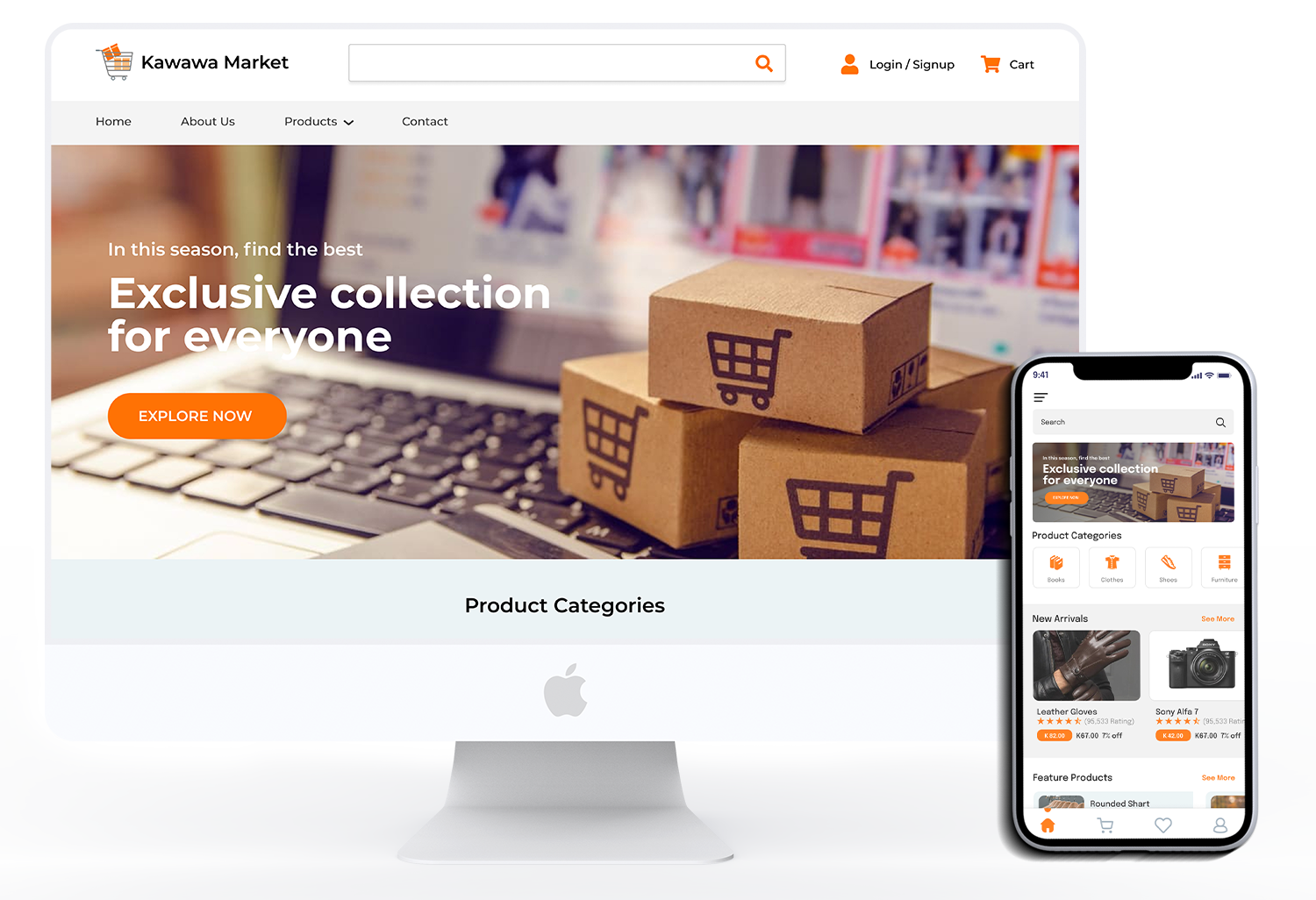
Admin Panel
Run the whole marketplace from one operator console.
Dashboard
Marketplace Pulse
A live overview shows total sales, active vendors, and new orders across the entire platform at a glance.
Trend Charts
Visual graphs track order volume and revenue over time so operators can spot growth or dips quickly.
Quick Actions
Shortcut tiles jump straight to pending approvals, flagged listings, and support requests that need attention.
Website
Browse and buy local goods from any browser.
Marketplace Home
Featured Local Picks
The landing page highlights nearby vendors and trending goods based on the shopper's chosen area.
Category Browse
Clear category tiles let visitors explore produce, crafts, and household items without searching.
Location Prompt
A simple prompt asks shoppers to set their area so results favour sellers close to them.
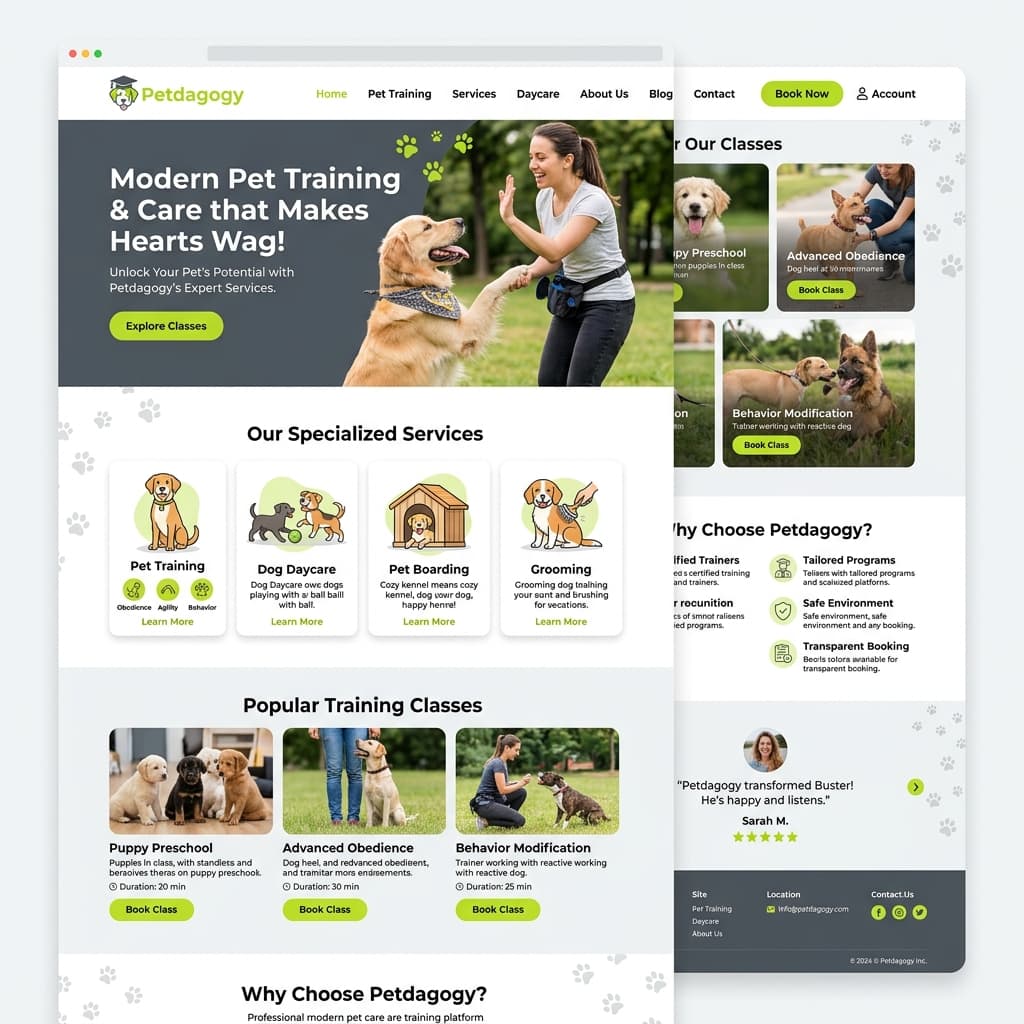
Mobile App
Shop local goods anywhere from your pocket.
Explore Feed
Nearby Vendors
The home feed surfaces sellers and items closest to the shopper using their phone's location.
Search And Filter
A quick search bar with filters helps buyers find a specific product or category in seconds.
Map View
A toggle reveals a Google Maps view showing exactly where local vendors are based.
A visual identity that travels.
Clear, readable type that keeps long catalogs and dense dashboards effortless to scan on any screen.
One backend, every surface.
“Bringing every seller under one roof felt impossible until this platform launched, and now vendors and shoppers move through it like it has always existed. Orders, listings, and locations finally live in one place we can trust.”
Head of Marketplace Operations (fictional)
Build it your way.
Starter
One surface, shipped right.
- Single surface — Website OR App
- Core backend & APIs
- Essential admin basics
- 1 month post-launch support
- Delivered in 4–6 weeks
Growth
Website + app on one backend.
- Website + native Mobile App
- Shared, scalable backend
- Basic admin panel
- 3 months support
- Delivered in 8–12 weeks
Full Stack 3-in-1
Admin + Web + App, fully owned.
- Admin + Website + Mobile App
- Unified backend & API
- 100% code & IP ownership
- 6 months support
- Delivered in 16–24 weeks


Need the whole stack?
Admin panel, website, and mobile app — designed and engineered together, on one backend, by one team.