Apps for companies ready to scale up
Awards & Recognition







Apps built for real phones, not simulator demos
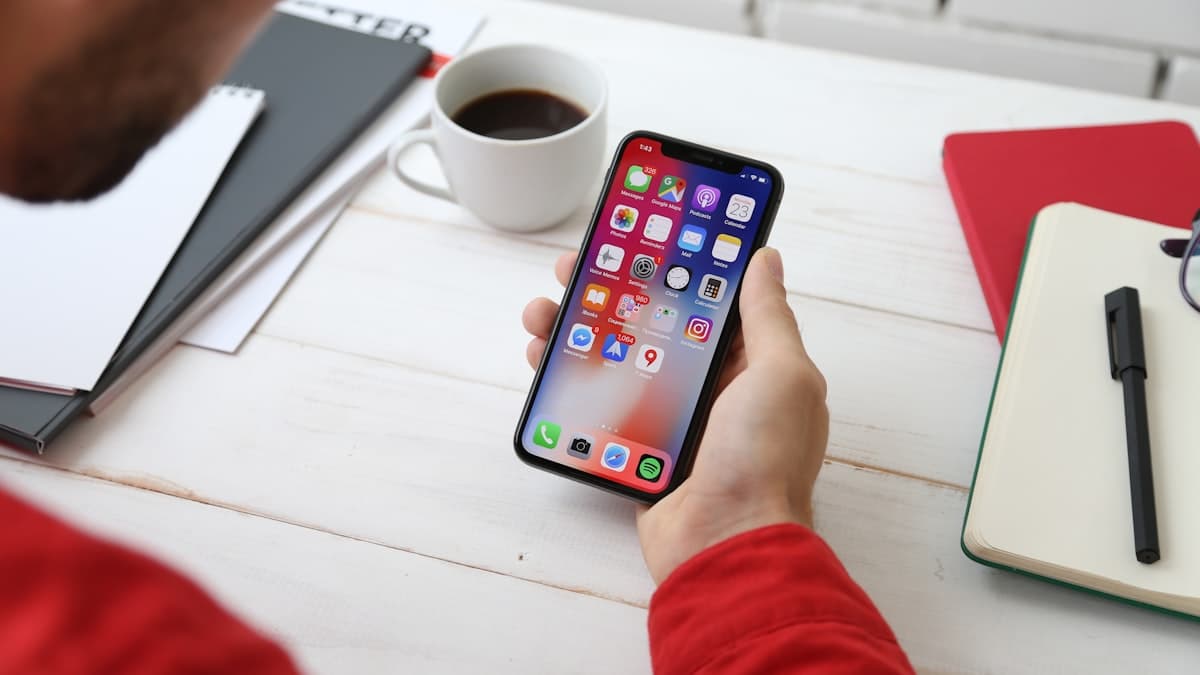
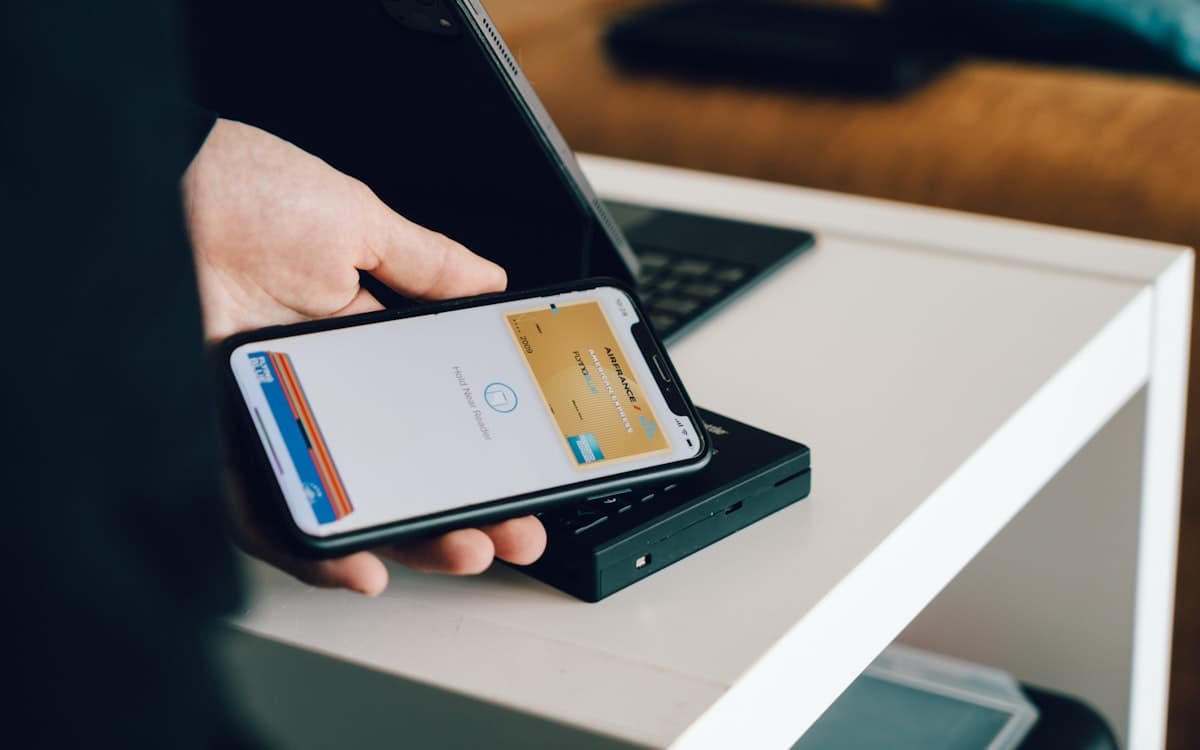
Mobile app development means designing, building, and shipping software that lives on iOS and Android phones and tablets. Startups validating an idea, teams replacing a tired app that reviewers have soured on, and companies that need offline-capable field tools all come to us for the same thing: an app that feels native, ships to both stores, and holds up once thousands of real users pile in.
We decide native versus cross-platform from your roadmap, not habit. React Native or Flutter covers most builds; Swift and Kotlin handle heavy graphics, tight sensor access, or strict frame-rate targets. Either way you get one accountable team wiring the API, the push pipeline, the store listings, and the update channel, so nothing falls through the gap between the phone and the server.
We stand for excellence.
One codebase, both stores
For most products, React Native or Flutter delivers near-native performance from a single codebase, halving build time and keeping iOS and Android in feature lockstep. We drop to native modules only where a screen earns it, so you never pay two teams to build the same list view twice.

Native when frames matter
Some apps demand what only Swift and Kotlin give: 120fps scrolling, tight camera and sensor access, or Bluetooth and background work that cross-platform layers fight you on. When your product lives or dies on that, we build fully native and profile it against the frame drops and battery drain that quietly kill retention.
Backend and store launch
An app is half the work. We build the APIs behind it on Node.js and Firebase, wire push notifications, auth, and real-time sync, then carry you through App Store and Play Console submission, screenshots, review replies, and the phased rollout, so day one is a launch and not a scramble over a rejection notice.
Everything you need.
Cross-platform Apps
One codebase, native feel on both iOS and Android.
Native Development
Swift & Kotlin builds for maximum performance.
App Backend & APIs
Scalable backends with auth, sync, and push.
Store Launch
End-to-end support from build to App Store & Play Store.
What we build into every mobile app
React Native and Flutter
We ship one codebase to both stores without the uncanny-valley feel of a cheap hybrid app. Shared UI, iOS and Android navigation done the way each platform expects, and native bridges where hardware demands it mean the app looks at home on both while your budget covers one team, not two.

Reasons teams choose us.
Native versus cross-platform, honestly
We recommend the approach your app actually needs, and tell you plainly when Flutter or React Native will not hold up under it.
Tested on real devices
We run builds on physical iPhones and Android handsets across screen sizes and OS versions, not just Xcode and emulator.
Offline that works
Local storage, sync queues, and conflict resolution built in, so the app stays useful in a tunnel or a dead zone.
We handle the stores
Provisioning, signing, review replies, and store metadata are ours to manage, so submission does not stall your launch date.
Updates after day one
Over-the-air updates on cross-platform builds push fixes in hours, without waiting days on a full store re-review.
One team, screen to API
The engineers building your screens also build the backend behind them, so nothing gets lost between the app and the server.
The tools we work with.
 React Native
 Flutter
 Swift
Swift Kotlin
 Firebase
 Node.js
A proven process
Common questions
It depends on the app. If you need heavy graphics, deep camera and sensor access, or hard frame-rate targets, native Swift and Kotlin win. For most content, commerce, and workflow apps, React Native or Flutter ships faster and costs less with no visible compromise.
Yes. With React Native or Flutter we build a single codebase that ships to both stores, so features and fixes land on iOS and Android together. Where a platform needs custom behavior, like a widget or a native camera flow, we write a native module just for that part.
We handle the full submission: signing, provisioning profiles, store listings, screenshots, privacy labels, and the review replies. If Apple or Google pushes back, we manage the fixes and resubmission so you are not decoding a rejection notice on your own.
A focused first version usually takes 8 to 14 weeks; larger apps with complex backends and offline sync run longer. We ship in two-week sprints and hand you a build you can install on your own phone at the end of each, so progress is never abstract.
Yes. We build offline-first where it matters, storing data on the device and syncing when the connection returns, with conflict handling so nothing gets overwritten. This is essential for field, delivery, and logistics apps that cannot assume a signal.
Projects we've shipped
 India
India
Sprouzee
Farm-to-Business Delivery
A dual-app B2B platform connecting farmers directly with restaurants, cafes, and grocery stores.
 India
IndiaMy Voyages
Travel & Social Platform
A full-stack travel and social platform blending trip planning, map itineraries, and media-rich social sharing.
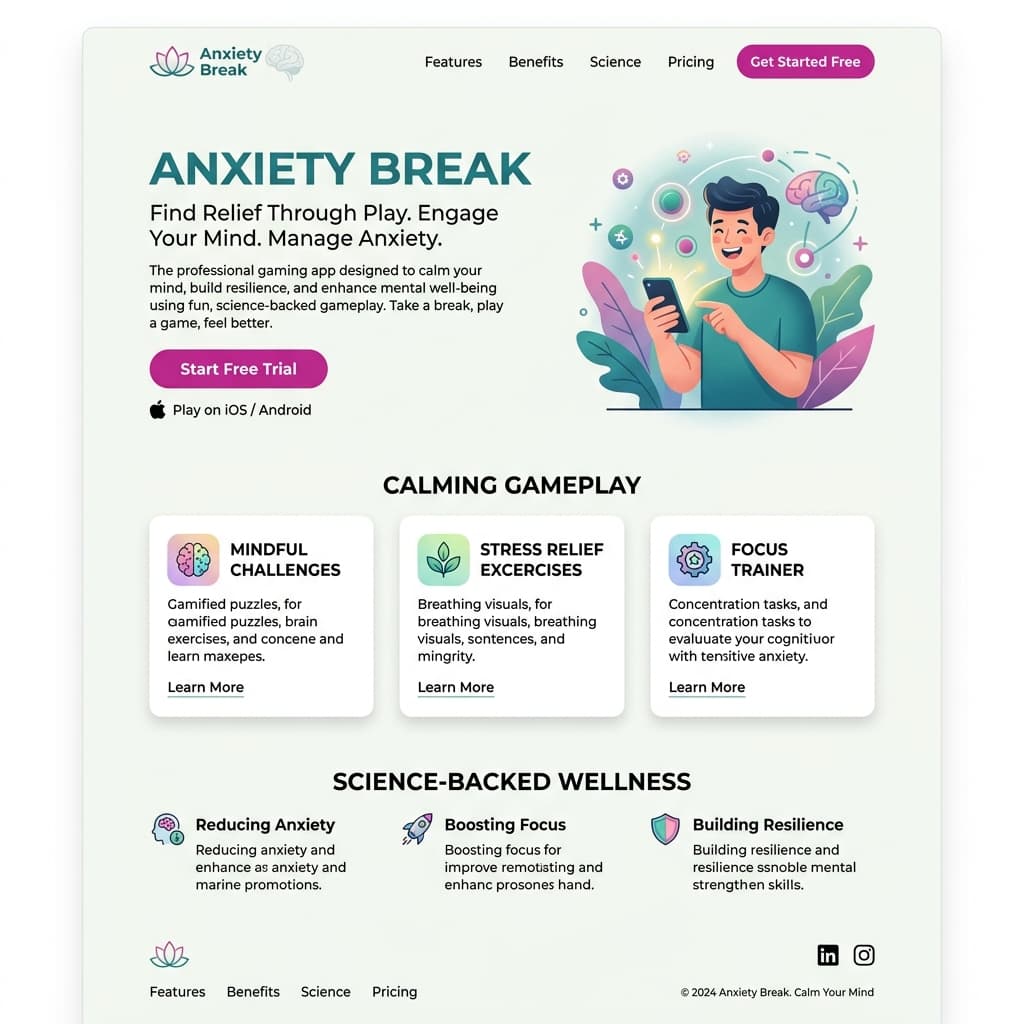
IndiaAnxietyBreak
Mindfulness Game
A Unity-built mindfulness game with stress-free gameplay and immersive soundscapes.


 India
IndiaTrukTrak
Fleet & Logistics Tracking
An intelligent fleet and logistics solution for vehicle tracking and route efficiency.

 India
India7 Apples
Health & Fitness Tracking
A smart health and fitness platform with personalized workouts and tracking.
IndiaTiffin Satvik
Healthy Meal Delivery
A subscription-based delivery platform focused on healthy, vegetarian, sattvic meals.
Ready to put your app in users' hands?
Tell us what the app needs to do. We will recommend native or cross-platform, scope the backend and sync, and give you a plan to reach both stores.