
API & Integrations
We design REST and GraphQL APIs, wire up third-party services, and build the webhook and gateway layer that keeps them talking. Clear contracts, versioning, retries, and idempotency keys are built in, so integrations hold up under real traffic instead of breaking at 2 a.m. when a partner returns a 500.


The connective tissue between your systems
API and integration work is what lets your product exchange data with payment providers, CRMs, ERPs, and the mobile and web clients you already run. If your teams re-key data between tools by hand, or a partner's outage takes your checkout down, you need a deliberate integration layer rather than another cron script bolted onto the side.
We design the contract first, then build it: versioned REST and GraphQL endpoints, signed webhook delivery you can trust, and a gateway that handles auth, rate limiting, and routing in one place. We plan for the failures nobody demos, retries with backoff, idempotency keys, timeouts, and event replay, so a flaky upstream never corrupts your data or double-charges a customer.
We stand for excellence.
REST and GraphQL, done right
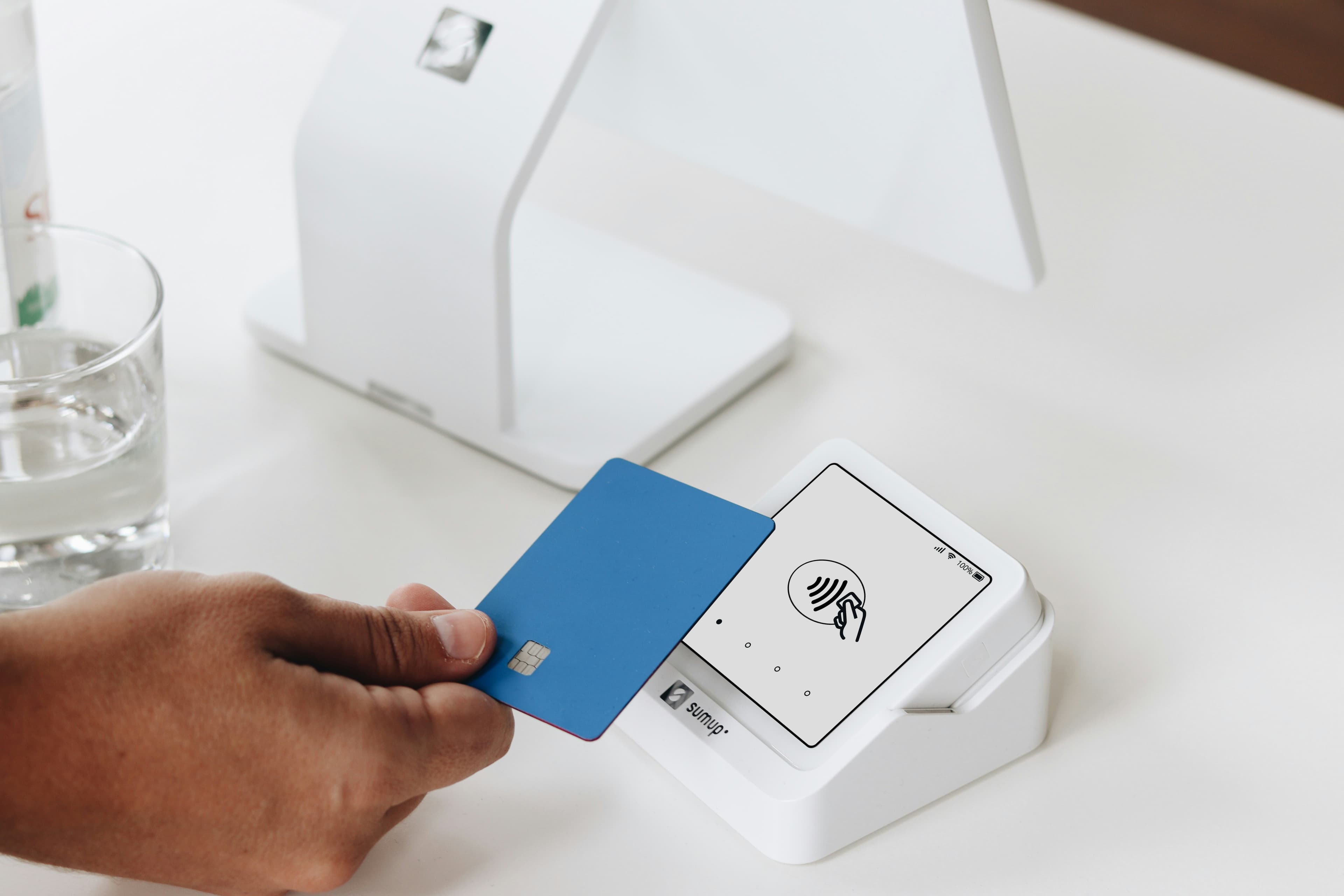
We pick the right style per use case, then design it properly. REST endpoints get consistent resources, cursor pagination, and semantic status codes; GraphQL gets a typed schema with query-depth and complexity limits so one client can't hammer your database with a nested query. Both ship with versioning and an OpenAPI or SDL contract your consumers build against.

Third-party integrations that hold
Connecting to payment gateways, CRMs, shipping carriers, or ERP systems is where most integrations rot. We wrap each provider behind a clean adapter, add retries with exponential backoff, idempotency keys, and circuit breakers, and reconcile state so a partner's downtime degrades gracefully instead of losing or duplicating orders.

Webhooks and event delivery
Inbound webhooks get HMAC signature verification, deduplication, and replay protection so spoofed or repeated calls never reach your logic. Outbound events are queued, retried on failure, and exposed through a dashboard where partners inspect deliveries, see the failing payload, and re-send, instead of emailing you asking what happened.
Everything you need.
REST & GraphQL APIs
Well-documented, versioned, and secure by design.
Third-party Integrations
Payments, CRMs, ERPs, maps, and more.
Webhooks & Events
Real-time, event-driven data flow across systems.
API Gateways
Rate-limiting, auth, and monitoring built in.
What we build into every integration
REST and GraphQL design
We model your domain into clear resources or a typed graph, document it as a first-class artifact, and generate client SDKs so consumers integrate in hours, not weeks. Breaking changes go behind a new version, and every endpoint ships with example requests and a sandbox to test against.
Reasons teams choose us.
Contract-first, always
We agree the endpoint shapes and schema before writing logic, so front-end, mobile, and partner teams build against the API in parallel from day one.
Built for failure
Retries, idempotency keys, timeouts, and circuit breakers are standard, so a flaky upstream never corrupts data or double-charges a customer.
Documented for consumers
Every API ships with an OpenAPI or SDL contract, a sandbox, and example requests, so integrating teams stop emailing you for field definitions.
Secure by default
Signed webhooks, vaulted secrets, scoped tokens, and per-client rate limits are wired in from the first endpoint, not patched on after launch.
Observable in production
Structured logs, request tracing, and a delivery dashboard mean you can see exactly which call or webhook failed and why, in seconds.
No provider lock-in
Payment, CRM, and shipping services sit behind adapters you own, so swapping a vendor stays one contained change instead of a rewrite.
The tools we work with.
 Node.js
 GraphQL
 Express
 Redis
Redis Docker
 AWS
AWSA proven process
Common questions
It depends on your consumers. REST fits simple, cacheable, resource-based access and public partner APIs; GraphQL suits clients that fetch varied, nested data in one round trip and want to avoid over-fetching. We often run both behind the same gateway and help you pick per use case rather than by fashion.
Usually yes. We reverse-engineer behavior from their sandbox, capture real request and response traffic, and build a tested adapter around it. We also add monitoring so that if the provider silently changes a field or a status code, you find out before your customers do.
Every inbound event carries an ID we store and check before processing, so duplicate deliveries are dropped. Writes triggered by an event use idempotency keys as well, so even a retried delivery that slips past the check can't create a second charge or a duplicate record.
Yes. We commonly layer a clean, versioned API and a gateway in front of an existing system, exposing its data safely without touching the core. That gives you documented, rate-limited access for new clients and partners while the legacy code keeps running underneath.
Requests queue and retry with backoff rather than failing hard, and a circuit breaker stops hammering a dead provider. Writes that can't complete are held and reconciled once the provider recovers, so you don't lose data or leave an order in a broken half-paid state.
Projects we've shipped

 India
India
Tallo
On-Demand Salon & Beauty
A salon-at-home and salon-booking application that brings beauty services directly to your doorstep.


 India
IndiaVicart
Grocery Delivery Solution
A multi-platform grocery shopping and delivery solution with seamless ordering and real-time tracking.

 India
IndiaPetdagogy
Pet Care & E-Commerce
An on-demand pet care and e-commerce platform available on both mobile and web.
 India
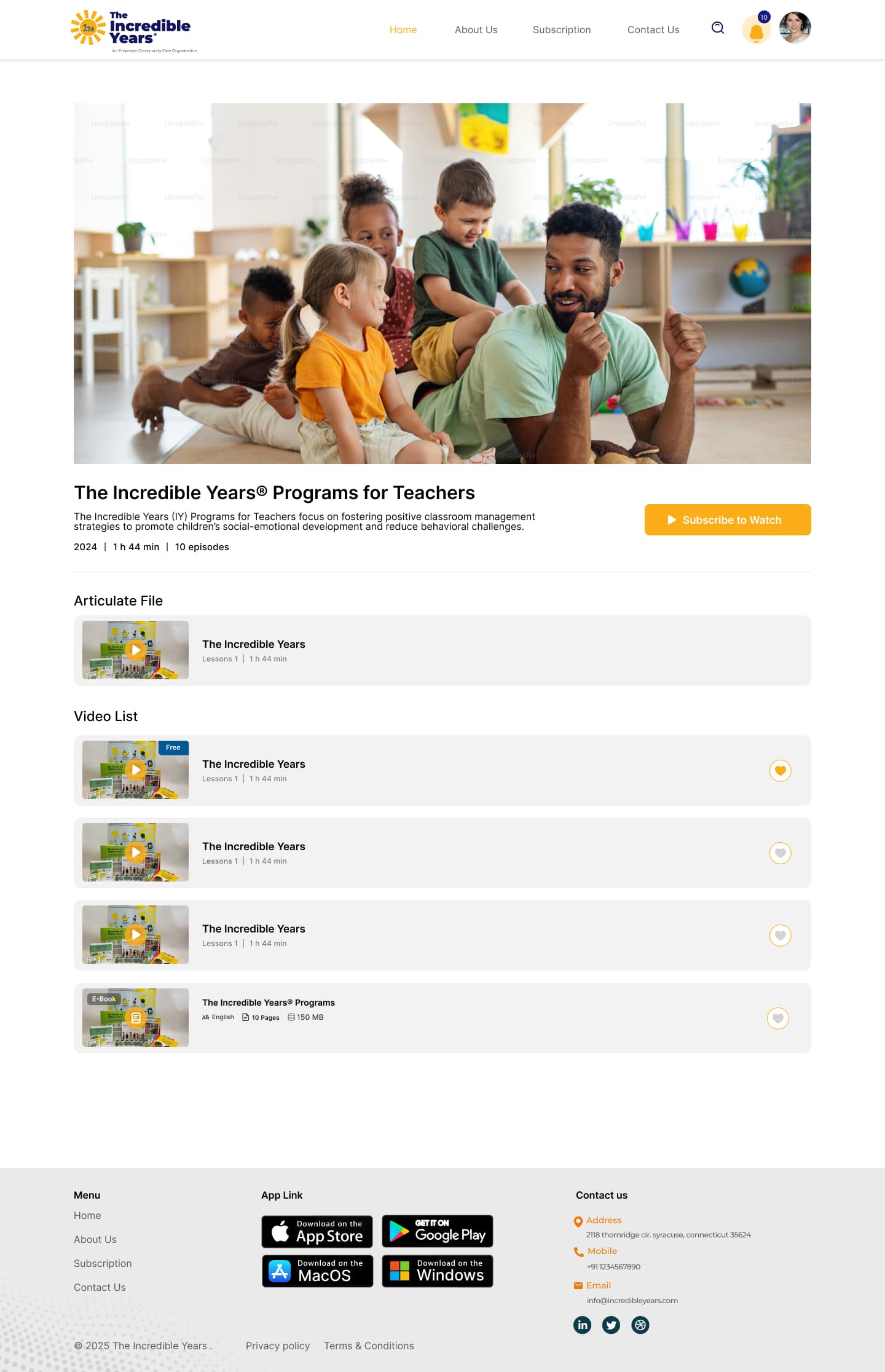
IndiaIncredible Years
OTT Streaming Platform
A full-stack video-streaming platform for parenting, child and teacher training programs — delivered as a website, native mobile apps, and an admin panel, all on one backend.


 India
IndiaLGK
Kids Engagement Platform
A secure, community-based kids' engagement and vacation-planning platform.
IndiaKawawa Market
Local Marketplace
An online marketplace for local goods, letting businesses showcase and sell with ease.


Have systems that need to talk?
Send us the providers you're connecting and the data that has to move between them. We'll come back with an API contract, an integration plan, and a fixed estimate.