

 01
01Show Our Work
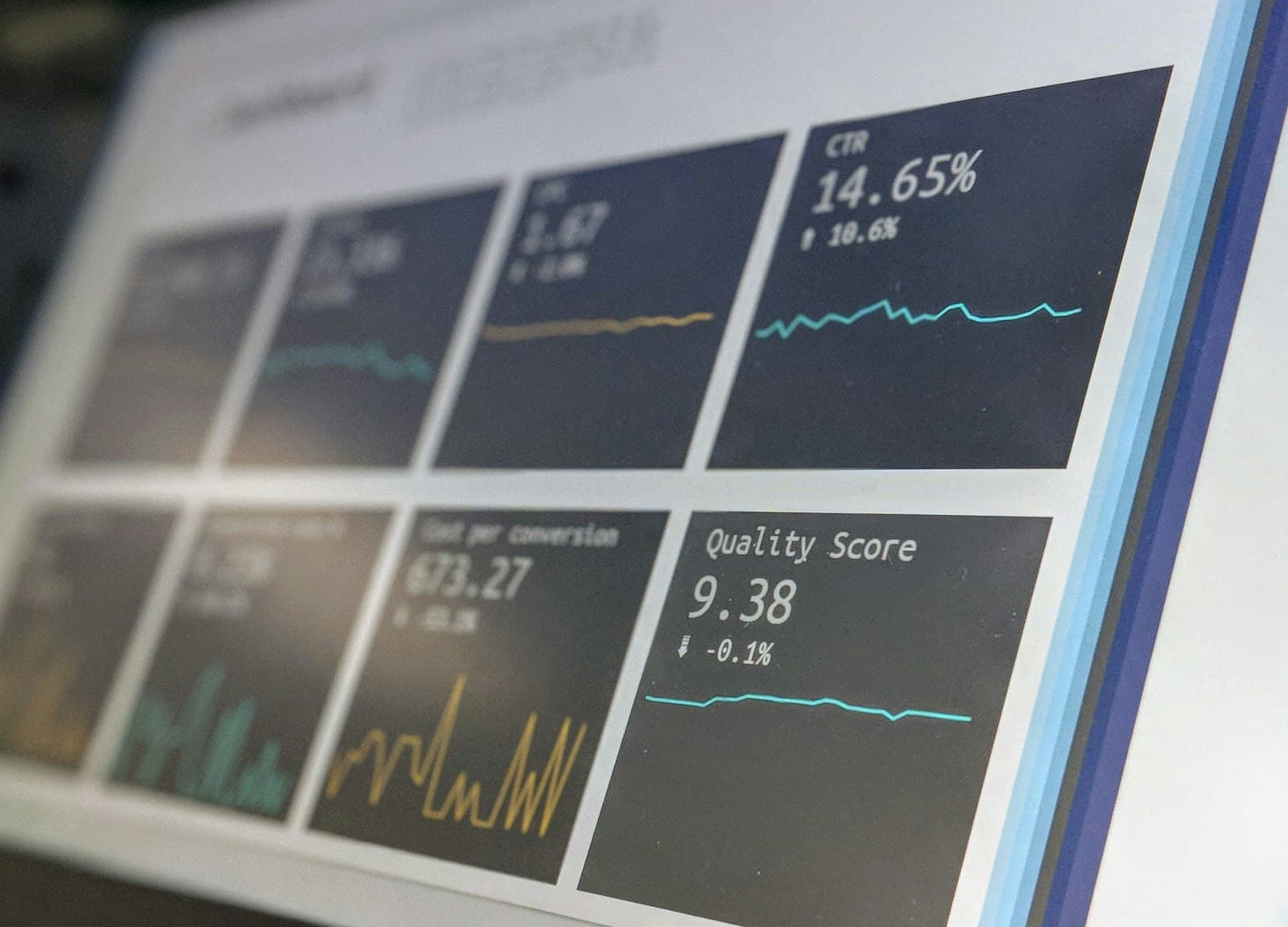
You see progress as it happens. Live builds, honest status, no polished demo hiding the messy parts. What we show is real.
A clear, proven path from first conversation to live product — and beyond. Seven steps, zero guesswork, full transparency at every stage.

We start every project with a real conversation, not a pitch deck. Then we plan tightly, build in short cycles you can watch, and ship early so your feedback shapes the work while it still can. Senior people stay on your project from the first call through launch and the quiet weeks after.



We ask the hard questions early and agree on what matters before a single line of code is written.
You see real, working builds every week, so the product improves while your feedback still counts.
Shipping is a milestone, not an exit. We support, measure, and keep refining what we build with you.
Every great product starts with deep understanding. We dig into your goals, users, and constraints to define exactly what success looks like.
With clarity in hand, we map the route — scope, architecture, timeline, and budget — so there are no surprises down the line.
We turn ideas into intuitive, beautiful interfaces — validated with prototypes before a single line of code is written.
Our engineers build in clean, tested, scalable code — shipping in iterative sprints with full transparency at every step.
Quality is non-negotiable. We test rigorously — functionality, performance, security, and real-user scenarios — before launch.
Launch day, handled. Automated CI/CD pipelines push your product live smoothly, with zero-downtime, reliable releases.
We don't disappear after launch. Ongoing support, monitoring, and improvements keep your product fast, secure, and evolving.
Six commitments that shape how we build — not slogans, but the way every project actually runs.
01You see progress as it happens. Live builds, honest status, no polished demo hiding the messy parts. What we show is real.
 02
02We break work into small pieces and put working software in front of you every week, not every quarter.
 03
03Once we take on a problem, it is ours to solve. No finger-pointing, no waiting to be told what to do next.
 04
04You get a direct line to the people writing the code. One channel, quick replies, decisions logged where everyone can find them.
 05
05Every feature we hand over is tested, documented, and ready for real users. We do not ship rough edges and call it done.
 06
06We make the call with the facts we have, ship it, and adjust from what real usage teaches us.

You look at working software in short cycles, not status decks. If the direction feels off, we correct it in days, not months.

The people who scope your product are the people who build it. Nothing gets lost in a handoff from sales to a junior pod you never met.
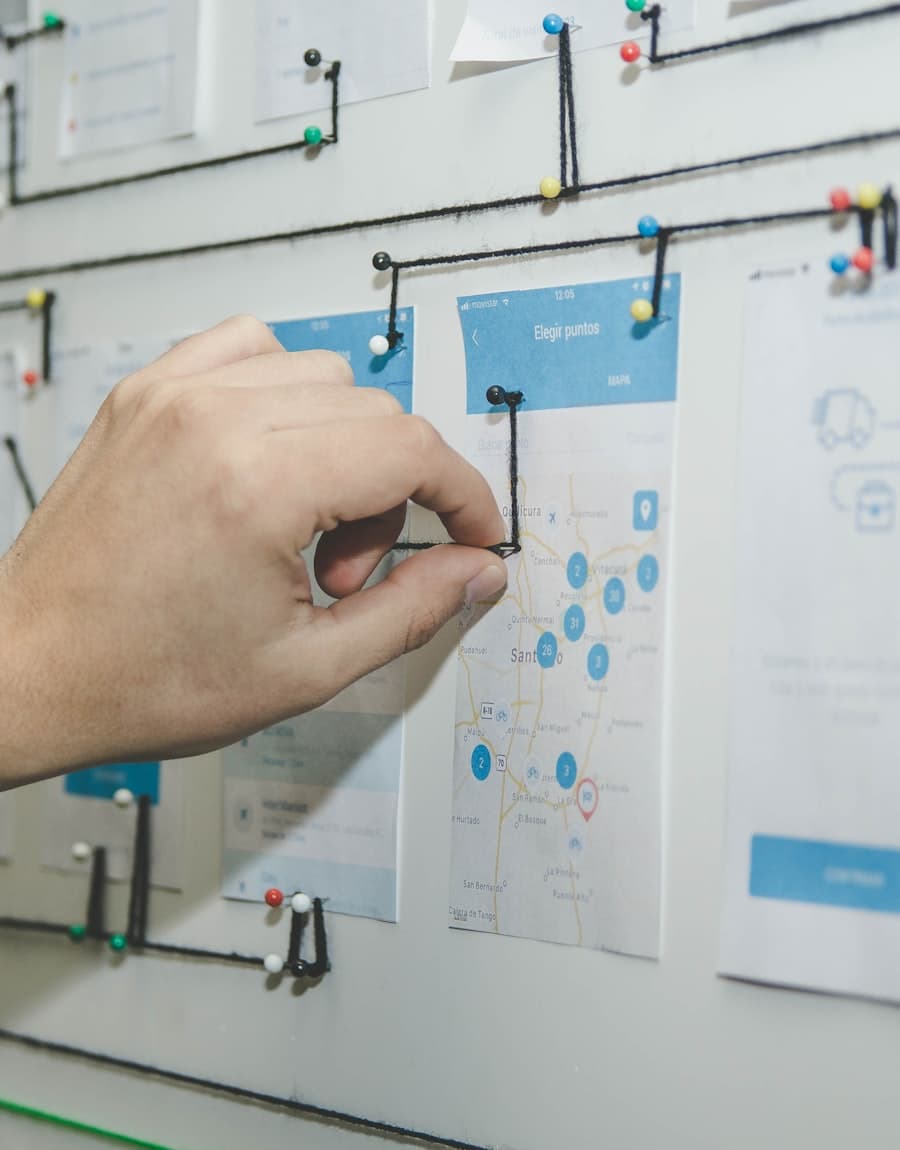
We agree on what we are building, what we are not, and how we will know it worked. That written clarity kills the arguments most projects end on.

We plan for the weeks after go-live from day one. Monitoring, fixes, and the next round of improvements are part of the work, not an afterthought.
A defined product with a clear finish line
We scope it, quote it, and build it to a fixed timeline and budget. You know the price, the plan, and the ship date before we start.
Ambitious roadmaps that need a full team
A dedicated group of our senior engineers, designers, and a lead works only on your product, plugged into your standups, tools, and long-term goals.
Ongoing work without a full commitment
Reserve a monthly block of senior hours for features, fixes, and improvements. Send us the backlog and we work through it, priority by priority.
Real teams, real timelines. Here's what founders and product leaders say after shipping with us.
They gave us a week-by-week plan on day one and never drifted from it. Every Thursday demo showed real progress. We launched on the exact date they promised, with no last-minute scrambles.
What sold me was the honesty. When a scope change added two days, they told me the same afternoon and adjusted the timeline. No vague updates, no surprise invoices, no guessing where things stood.
Every sprint ended with something we could actually click and test. By week three we had real users on a working build, not a slide deck full of promises.
They gave us a week-by-week plan on day one and never drifted from it. Every Thursday demo showed real progress. We launched on the exact date they promised, with no last-minute scrambles.
What sold me was the honesty. When a scope change added two days, they told me the same afternoon and adjusted the timeline. No vague updates, no surprise invoices, no guessing where things stood.
Every sprint ended with something we could actually click and test. By week three we had real users on a working build, not a slide deck full of promises.
Straight answers about timelines, scope changes, and who picks up the phone.
Still have a question? Talk to usMost builds run eight to sixteen weeks, Discovery Workshop to Deployment. The spread comes down to two things: how many integrations touch systems we don't control, and how fast your side signs off on Design. You get a dated phase plan in week one, updated every Friday.
They will — that's normal, not a failure. Anything landing after Planning gets sized and costed as a change note, and you decide: swap it in for something of equal size, or extend the date. We won't quietly absorb it and hand you a slipped deadline at the end.
Your delivery lead, by name, from the Discovery Workshop through Maintenance. Same person the whole way. They're in the weekly call and in your Slack channel, not behind a ticket queue. Engineers and designers join when the work is theirs — no account manager relaying messages between you and the build.
A decision-maker who can approve Design without convening a committee, access to your analytics and hosting, and roughly two hours a week. In our experience most slipped dates trace back to sign-off waiting on someone who wasn't in the room. Pick that person before we start.
Maintenance starts the day Deployment ends: security patches, uptime monitoring, and a monthly report on what actually moved. New features, a redesign, a second market — those get scoped separately. Bundling them into a support retainer is how support quietly stops happening.
The seven phases are the method. The engagement model is the commercial shape around them. Fixed scope suits a defined build with a hard date. A retained team suits continuous work where priorities shift monthly. Testing standards don't move either way — only the billing and the commitment do.
Tell us what you're building. We'll walk you through exactly how we'd take it from idea to launch.